Streak Freeze Offered at Day 3 Doubles Week-Two Retention
A one-day streak freeze at day three doubled week-two retention, revealing how loss aversion quietly shapes whether users come back at all
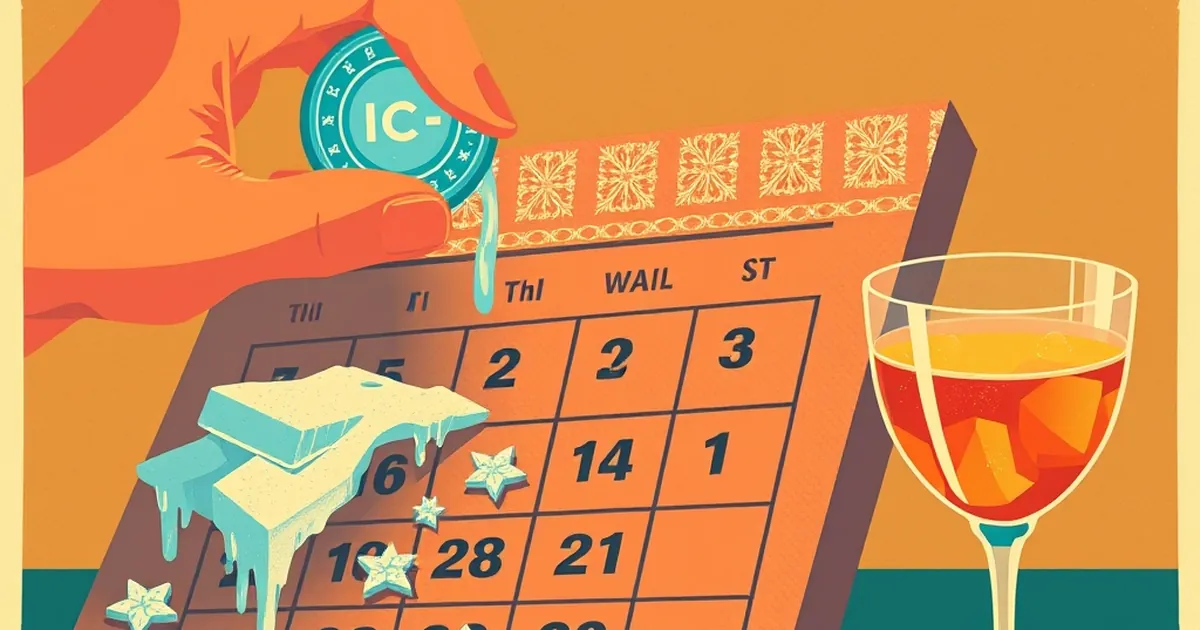
A product team noticed something odd in its week-two numbers: users who hit a three-day streak and were handed a "streak freeze" — a one-day pass to miss a check-in without losing progress — came back at roughly twice the rate of users who hit the same streak without one. The question worth sitting with isn't whether the freeze "works." It's why a small, artificial cushion changes whether people return at all.
The Freeze Is a Loss-Aversion Machine
Kahneman and Tversky's central finding — that losses loom larger than equivalent gains — explains the mechanic almost too neatly. A streak isn't just a count; once it exists, it becomes something you own, and the threat of losing it motivates more than the promise of extending it. A freeze doesn't remove that threat. It converts an all-or-nothing loss into a survivable one, which keeps the asset alive long enough for the habit to re-form.
The design detail matters: the freeze is offered at day three, not before. That's the moment the streak has just become psychologically real. Offering protection earlier is a gift; offering it at the moment of ownership is insurance, and people behave differently toward things they've insured.
Variable Rewards, Borrowed From Somewhere Else
B.F. Skinner's work on variable-ratio reinforcement — the finding that unpredictable rewards produce more persistent behavior than predictable ones — is the standard citation for why intermittent payoffs hold attention. The freeze applies a subtler version: it's not a reward at all, but an uncertain reprieve. Users don't know exactly when they'll need it, which makes its presence feel valuable in a way a guaranteed daily bonus never does.
There's a caution buried here. The same literature shows that unpredictable schedules can produce behavior that looks like compulsion rather than engagement. The difference is usually whether the underlying activity has standalone value. A freeze that rescues a user mid-habit-formation is doing something useful. A freeze that rescues a user who never wanted the habit is just debt collection with better branding.
What the Retention Lift Actually Measures
A doubling in week-two retention is a big number, and big numbers deserve suspicion. Before crediting the freeze, the team should rule out selection: users who reach day three are already more committed than average, and the freeze may be correlating with that commitment rather than causing return. The clean test is randomized — offer the freeze to half of day-three arrivals and compare week-two return. If the lift survives that, it's real.
The behavioral concept to watch for is endowment: once users hold a freeze, they may feel they've paid for it in effort and will use it defensively, even when they didn't need it. That's fine for retention and slightly corrosive for trust. The fix is transparency — show the freeze as a finite resource with a clear reset, not a permanent safety net.
Where This Points Next
The interesting frontier isn't the freeze itself but the timing logic behind it. If day three is where ownership forms, every habit product has an equivalent moment — the first completed project, the third consecutive workout, the second week of a language course. Mapping those thresholds, then testing a single protective intervention at each, is a more durable strategy than layering on rewards. The next experiment worth running: offer the freeze at day two and day four, and see whether the lift depends on the streak being real or merely imminent. That answer tells you whether you're building a habit or protecting a number.